Professional Tips on Working with an Aluminum Foundry for Efficient Output
Wiki Article
Discovering the Innovative Strategies Used in Modern Aluminum Foundries
Modern aluminum foundries are going through a substantial change via the adoption of ingenious strategies. Advanced casting methods, wise automation, and lasting techniques are reshaping production procedures. These developments not just improve effectiveness yet likewise address ecological concerns. As the market advances, the integration of digital innovations plays an important function. Comprehending these adjustments is essential for understanding the future of aluminum production and its effects for global markets. What lies in advance in this vibrant field?Advanced Casting Techniques
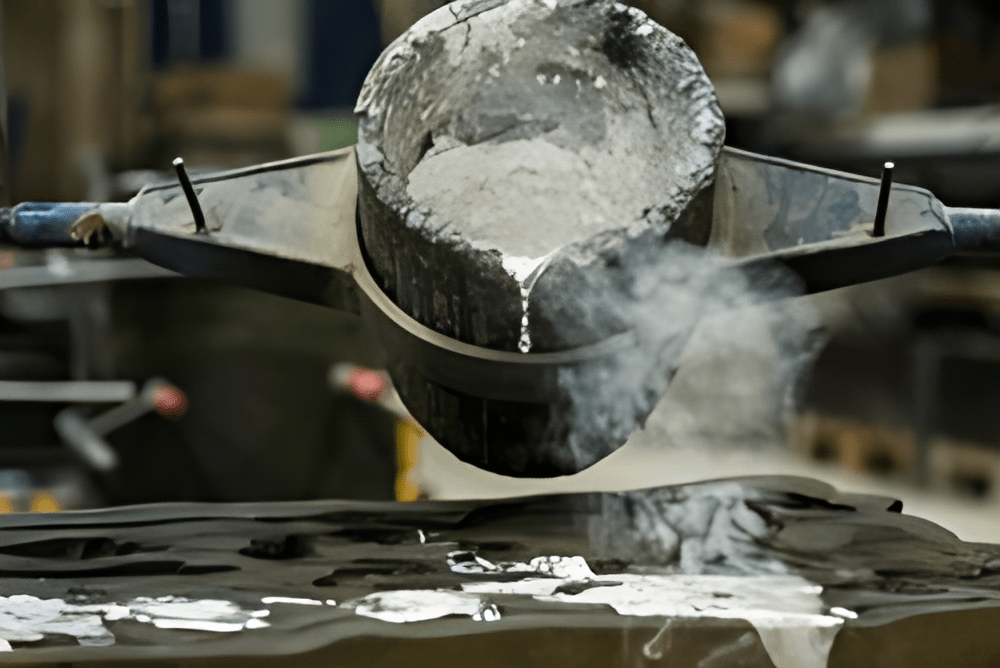
In addition, innovations in thermal control and mold design have actually contributed to even more constant casting outcomes. These advancements enable better control of cooling down rates, lowering flaws and enhancing mechanical buildings. As an outcome, makers can produce lightweight yet resilient parts, satisfying the enhancing needs of various markets, consisting of automobile and aerospace, for high-performance aluminum components.
Smart Automation and Robotics
The combination of clever automation and robotics in aluminum foundries notes a significant innovation in manufacturing effectiveness. These innovations allow accuracy and consistency in manufacturing procedures, considerably reducing human error and boosting safety and security. Automated robotic systems manage repeated jobs, such as molding, putting, and cooling, enabling human drivers to concentrate on even more complex obligations that require important thinking and oversight.Additionally, smart sensors and AI-driven analytics provide real-time data tracking, facilitating anticipating upkeep and reducing downtime. This causes optimized source allotment and boosted energy usage, adding to general sustainability in production.
The versatility of robot systems permits for fast adjustments to changing manufacturing demands, improving versatility in manufacturing. As foundries progressively embrace these sophisticated innovations, they not only improve operational performance yet likewise place themselves as leaders in innovation within the metal casting sector.
Additive Production in Foundries
Changing traditional production techniques, additive production is reinventing aluminum foundries by making it possible for the creation of complex geometries that were formerly unattainable. This technique enables the layer-by-layer building of elements, significantly reducing product waste and reducing manufacturing times. As an outcome, foundries can create detailed styles that enhance performance and capability, dealing with the expanding needs of various industries.Additive manufacturing facilitates fast prototyping, allowing designers to test and repeat designs swiftly. This dexterity not only increases the advancement cycle yet likewise aids in determining possible issues prior to full-scale production starts. The integration of sophisticated products and processes in additive production additionally enhances the mechanical buildings of aluminum components, promoting innovation in item design. Subsequently, aluminum foundries that adopt these methods place themselves at the forefront of market improvements, making sure competitiveness in an ever-evolving market landscape.
Sustainable Practices and Recycling
Lasting practices in aluminum foundries are significantly concentrated on improving recycling procedures and adopting green casting techniques. These advancements aim to decrease waste and energy usage while maximizing making use of recycled products. As the sector evolves, the integration of sustainability into production methods becomes important for satisfying environmental requirements and consumer demands.Recycling Process Improvements
As industries increasingly acknowledge the environmental influence of waste, aluminum foundries are taking on cutting-edge reusing process enhancements to enhance sustainability. These developments concentrate on reducing power intake and making the most of material recuperation. Many foundries are implementing closed-loop systems that reuse scrap aluminum produced during manufacturing, decreasing waste and minimizing the need for virgin products. Advanced arranging modern technologies, such as computerized optical sorting, enhance the separation of various aluminum qualities, boosting the effectiveness of the recycling process. Additionally, some foundries are utilizing hydrometallurgical methods to recover aluminum from complex waste streams. By incorporating these renovations, aluminum foundries not only add to a round economic climate but likewise minimize their carbon footprint, aligning with international sustainability goals.Eco-Friendly Casting Techniques
While typical casting methods frequently entail significant power consumption and material waste, aluminum foundries are significantly taking on environmentally friendly casting methods that focus on sustainability. Techniques such as low-pressure die casting, which decreases air exhausts, and using water-based mold releases contribute to reduced ecological impact. Furthermore, innovations in 3D printing modern technology permit the creation of intricate molds with much less product waste. Numerous foundries are likewise executing closed-loop systems that recycle water and aluminum scrap, more decreasing resource intake. By welcoming renewable resource resources, such as solar and wind power, these facilities improve their sustainability initiatives. Overall, the adoption of green practices in aluminum casting not only profits the setting but also promotes economic effectiveness and advancement within the sector.Boosted Top Quality Control Measures
Enhanced quality assurance steps in aluminum foundries are progressively dependent on innovative inspection technologies and real-time tracking systems. These technologies make it possible for suppliers to detect problems early and guarantee consistent product top quality. By incorporating these tools, foundries can substantially boost their functional efficiency and minimize waste.Advanced Examination Technologies
Advanced inspection innovations play a crucial function in making sure the high quality and dependability of aluminum castings. These advanced methods include non-destructive screening (NDT) techniques such as ultrasonic screening, radiographic screening, and eddy current examinations. Each approach enables comprehensive examination of castings without endangering their structural integrity. Advanced imaging techniques, such as computed tomography, give a considerable view of inner functions, enabling the detection of defects like gaps and inclusions. In addition, automated optical assessment systems enhance accuracy by employing high-resolution electronic cameras and artificial intelligence formulas to evaluate surface area quality. By applying these sophisticated examination innovations, aluminum foundries can properly reduce defects, guaranteeing that spreadings meet strict sector standards and client needs.Real-Time Monitoring Solutions
As manufacturers venture for excellence in aluminum casting, real-time surveillance systems become a critical improvement in high quality control procedures. These systems make use of sophisticated sensing units and information analytics to continually track vital criteria throughout the casting process, such as temperature, stress, and alloy composition. By supplying prompt responses, they enable operators to determine variances from ideal conditions and make prompt modifications. This positive technique not only minimizes flaws however likewise enhances general efficiency and reduces waste - Metal Castings. Additionally, combination of real-time data right into manufacturing administration systems facilitates far better decision-making and improves traceability. As a result, real-time monitoring systems play an essential function in maintaining high requirements of quality in modern-day aluminum foundries, guaranteeing that items meet stringent sector requirementsDigital Double Innovation for Optimization
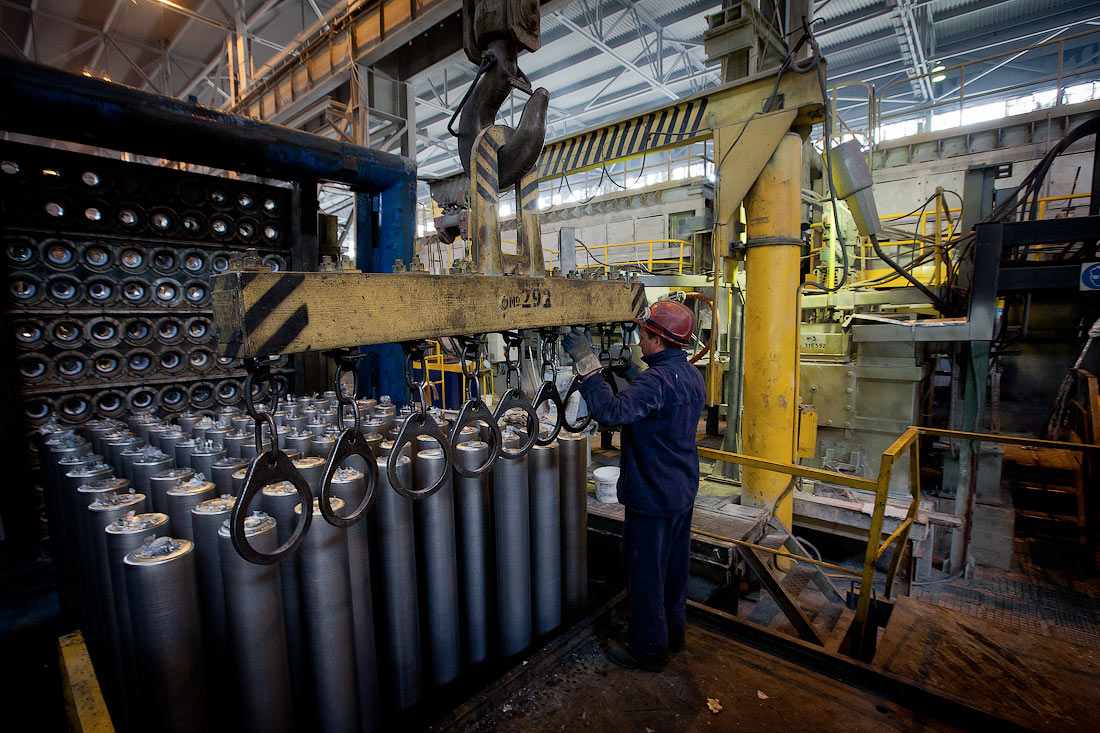
The integration of electronic twin modern technology allows foundries to evaluate various circumstances without disrupting real manufacturing. This capacity fosters a positive strategy to upkeep and resource administration, inevitably reducing waste and reducing operational expenses. In addition, the modern technology aids in process read more optimization by enabling designers to imagine the results of modifications in real-time, guaranteeing greater quality end results. Consequently, aluminum foundries taking on digital twin modern technology are positioned to accomplish greater effectiveness and competition in a progressively demanding market.
Market 4.0 and IoT Assimilation
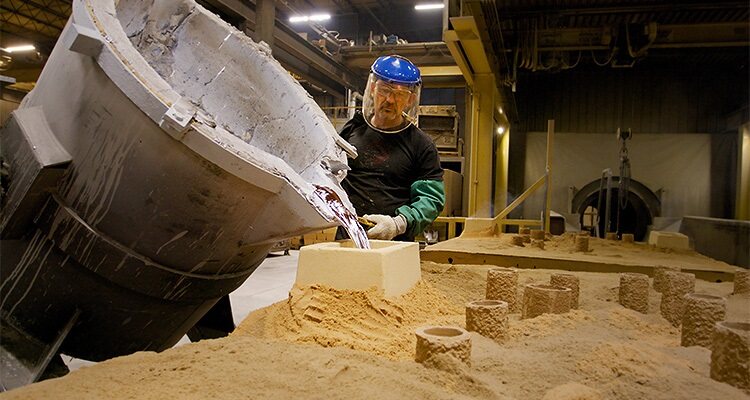
The fostering of electronic twin innovation in aluminum foundries becomes part of a more comprehensive movement towards Market 4.0, defined by the combination of the Internet of Things (IoT) into producing processes. This assimilation makes it possible for real-time tracking and data collection from various equipment and devices, resulting in enhanced functional efficiency. Sensors embedded in makers collect critical data, which is examined to maximize production workflows and forecast maintenance demands.IoT gadgets facilitate interaction between various production phases, allowing for smooth control and reducing downtime. By leveraging cloud computer, foundries can keep and assess large amounts of data, allowing more enlightened decision-making. This modern technology additionally sustains remote administration, where operators can supervise procedures from anywhere, improving responsiveness to manufacturing obstacles. In general, the blend of Industry 4.0 and IoT within aluminum foundries is changing typical practices, making them a lot more agile and responsive to market demands.
Often Asked Concerns
What Are the Key Advantages of Aluminum Over Various Other Metals?
Aluminum provides countless advantages over various other metals, including its light-weight nature, superb deterioration resistance, high thermal and electric conductivity, malleability, and recyclability, making it a recommended selection for different applications across numerous industries. - Wisconsin Aluminum FoundryJust How Do Modern Foundries Manage Hazardous Products?
Modern foundries take care of unsafe products through stringent safety and security procedures, advanced filtering systems, and recycling techniques. Regular training warranties employees recognize best methods, while keeping an eye on systems spot and minimize prospective risks to preserve a risk-free workplace.What Is the Regular Life-span of Aluminum Castings?
The regular life-span of aluminum castings ranges from 20 to 50 years, depending on factors such as ecological problems, use, and maintenance. Proper treatment can expand their durability and efficiency substantially gradually.Exist Any Type Of Health Threats Connected With Aluminum Foundry Work?
Yes, aluminum foundry job postures health and wellness dangers, including respiratory system concerns from inhaling fumes and dust, skin irritability from call with molten steel, and possible exposure to dangerous chemicals. Correct security steps are necessary to mitigate these threats.Exactly How Do Shops Make Sure Worker Safety And Security in High-Temperature Environments?
Foundries implement rigorous safety and security methods, consisting of safety gear, temperature level surveillance systems, and routine training. These procedures guarantee that workers are equipped to take care of high-temperature settings, lessening dangers and promoting a more secure office.
Many sophisticated casting techniques have actually arised in aluminum foundries, reinventing standard processes. Lasting methods in aluminum foundries are progressively focused on boosting recycling procedures and embracing environment-friendly casting strategies. Many foundries are executing closed-loop systems that recycle scrap aluminum produced throughout manufacturing, decreasing waste and reducing the need for virgin materials. While conventional casting techniques commonly involve significant energy intake and material waste, aluminum foundries are significantly embracing eco-friendly casting methods that focus on sustainability. While lots of sectors are significantly taking on electronic modern technologies, aluminum foundries are leveraging electronic twin innovation to improve operational efficiency and maximize manufacturing procedures.
Report this wiki page