Breaking Down Metal Castings and Their Role in Custom Fabrication
Wiki Article
Understanding the Refine: How Aluminum Foundries Create High-Quality Products
Aluminum foundries play a vital role in producing high-grade items through a meticulous procedure. It begins with melting raw aluminum, which gets rid of impurities. Afterward, numerous molding strategies shape the metal into wanted kinds. Accuracy throughout putting and solidification is critical to fulfill exact specs. The lasts involve finishing touches that boost longevity and appearance. As innovation developments, these processes are fine-tuned even more. What technologies are forming the future of aluminum foundries?The Melting Process: Transforming Raw Aluminum
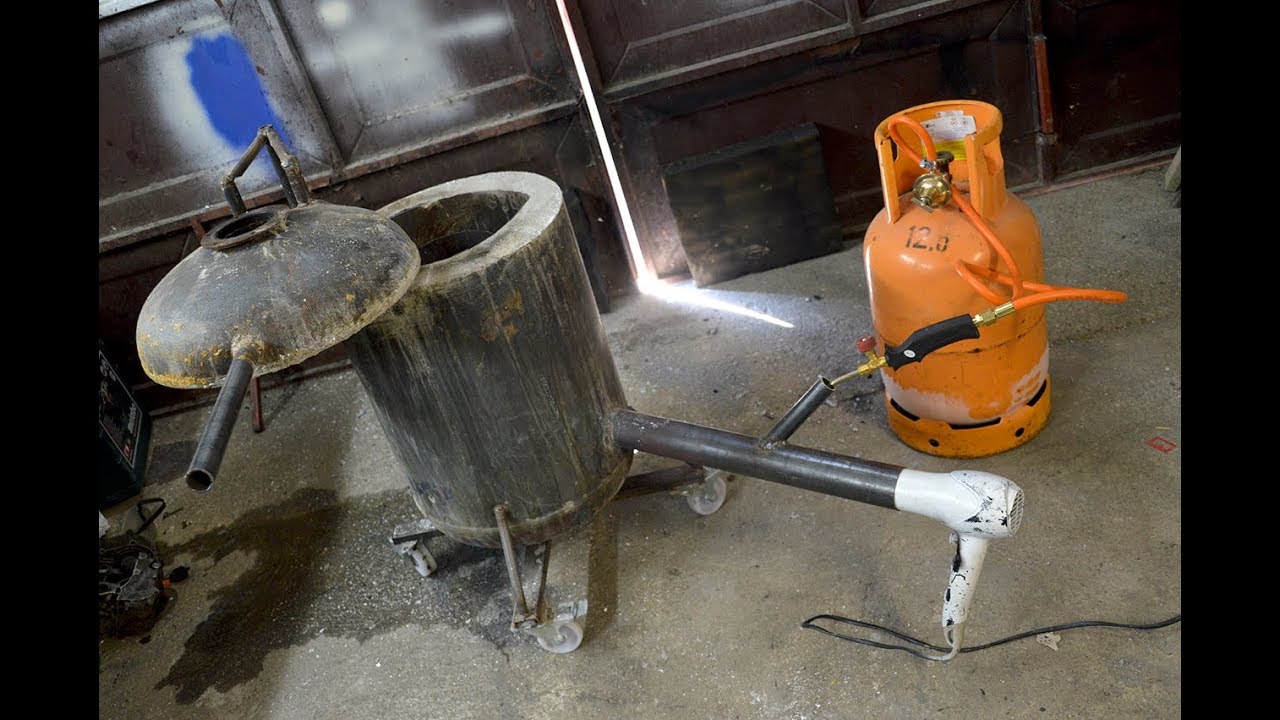
The melting process works as an important step in changing raw aluminum into useful products. Aluminum scrap or raw ingots are positioned in a furnace where they are subjected to high temperature levels, generally getting to around 660 levels Celsius. This intense warm causes the aluminum to melt, permitting contaminations to rise to the surface, where they can be skimmed.Various melting strategies, such as induction melting or gas-fired melting, may be utilized relying on the specific demands of the factory. The selection of method can affect power efficiency and metal high quality. Preserving accurate temperature level control is necessary to guarantee uniform melting and to prevent oxidation that can endanger the product.
Once melted, the aluminum is prepared for additional processing, setting the phase for subsequent operations that will certainly mold it into particular shapes and items. Metal Castings. The quality of the melting process directly impacts the stability of the last aluminum things generated
Molding Strategies: Shaping the Future
After the aluminum has been melted and impurities removed, it awaits forming with numerous molding strategies. Among the most common approaches is sand casting, where a mold and mildew is developed from sand and a binder. This method permits elaborate designs and is cost-effective for low to medium manufacturing runs. One more popular approach is die casting, which entails requiring molten aluminum right into a steel mold under high stress. This method results in high precision and smooth surfaces, making it perfect for automation.
Permanent mold and mildew spreading is likewise used, using multiple-use mold and mildews that boost dimensional precision and surface finish. Each molding technique offers unique advantages, allowing foundries to tailor their processes based on item specs and production quantity. By selecting the proper method, aluminum foundries can ensure superior top quality and efficiency in their final items, strengthening their function in numerous industries.
Putting and Solidification: The Art of Casting
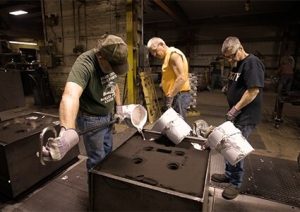
Putting molten aluminum right into molds marks a vital stage in the casting procedure, where precision and timing are crucial - Wisconsin Aluminum Foundry. The factory group must carefully regulate the temperature of the aluminum to guarantee excellent fluidity, stopping defects such as porosity or chilly shuts. As the steel is poured, it flows right into the intricacies of the mold, loading every dental caries to create the preferred formSolidification begins quickly as the liquified aluminum cools down and alters to a strong state. This phase is influenced by a number of variables, consisting of the mold and mildew product, density, and ambient temperature. The cooling rate should be taken care of to stay clear of anxiety cracks or bending in the ended up product.
Once solidified, the aluminum handles the precise measurements and characteristics of the mold, setting the stage for subsequent processing. This pouring and solidification process exemplifies the fragile balance of art and science in aluminum casting, necessary for creating top notch items.
Ending Up Touches: Guaranteeing High Quality and Accuracy
Guaranteeing quality and precision in aluminum items needs careful interest to detail during the ending up procedure. This stage includes different methods targeted at boosting the surface area features and dimensional precision of the cast elements. Typical more info approaches consist of machining, surface area treatment, and polishing. Machining fixes any type of dimensional inconsistencies and accomplishes the preferred tolerances, while surface therapies, such as anodizing or powder covering, supply corrosion resistance and boost visual allure.Sprucing up gets rid of surface imperfections, causing a smooth coating that satisfies rigid specifications. Quality control is vital; each completed item undertakes extensive evaluation to recognize any type of defects. Advanced determining tools, like coordinate determining machines (CMM), are often used to guarantee conformity with design specs. Additionally, skilled service technicians play an important duty, bringing experience and competence to recognize issues that makers may neglect. This thorough completing process eventually ensures that the aluminum products fulfill customer assumptions for top quality and performance.
Advancements in Aluminum Foundry Technology
The pursuit of high quality and accuracy in aluminum items has actually resulted in considerable improvements in shop technology. Advancements such as robot automation have streamlined processes, improving effectiveness and minimizing human error. These robots are now qualified of executing complex tasks, including accurate mold and mildew handling and product putting, which ensures constant product top quality.On top of that, the integration of computer numerical control (CNC) machines has reinvented machining procedures, permitting complex layouts and tighter tolerances. Advanced simulation software program promotes far better procedure planning by anticipating prospective problems and maximizing steel circulation. Additionally, the adoption of ecologically friendly practices, such as recycling aluminum scrap and utilizing low-emission heating systems, has improved sustainability in the sector.
Frequently Asked Concerns
What Types of Aluminum Alloys Are Frequently Used in Shops?
Typically utilized aluminum alloys in foundries include 356, 319, and 413. These alloys are known for their excellent spreading residential properties, mechanical stamina, and resistance to corrosion, making them ideal for a broad variety of applications.How Do Foundries Make Sure Ecological Sustainability in Their Processes?
Factories apply environmental sustainability by reusing aluminum scrap, optimizing energy performance, decreasing exhausts, utilizing eco-friendly materials, and sticking to regulatory standards, therefore minimizing their environmental impact while preserving manufacturing top quality and efficiency.What Safety And Security Measures Are Executed in Aluminum Foundries?
Aluminum foundries apply numerous precaution, consisting of individual protective equipment, air flow systems, normal safety training, emergency action methods, and tools maintenance checks. These methods aim to lessen hazards and guarantee the wellness of all employees included.Just How Do Shops Take Care Of Problems in Cast Products?
Factories resolve defects in cast products by employing rigorous evaluation methods, including visual checks and non-destructive screening. When problems are recognized, they may rework or junk items, guaranteeing adherence to high quality standards and consumer specs.What Is the Regular Preparation for Aluminum Casting Projects?
The common lead time for aluminum spreading projects ranges from a couple of weeks to a number of months. Elements influencing this timeline consist of style complexity, manufacturing quantity, and the accessibility of materials, which vary considerably throughout different foundries.Aluminum foundries play a necessary function in creating top quality items through a precise procedure. Wisconsin Aluminum Foundry. The foundry group need to thoroughly control the temperature level of the aluminum to ensure suitable fluidity, avoiding defects such as porosity or cool shuts. The quest of quality and accuracy in aluminum products has actually led to considerable advancements in shop technology. Commonly utilized aluminum alloys in foundries include 356, 319, and 413. Aluminum foundries implement various safety measures, including personal protective tools, air flow systems, routine security training, emergency response methods, and equipment maintenance checks
Report this wiki page